Top 5 Benefits of Body Contouring Treatments
Explore the potential benefits of non-invasive body contouring, how light-based treatments differ from RF, and what to ask about results, recovery and maintenance.
Top 5 Body Contouring Benefits
Non-invasive body contouring may improve localized contours or skin appearance without surgery. Potential benefits depend on the device and patient. Compare the intended outcome, recovery requirements, appointment commitment and maintenance needs. Low-level light, thermal light-based treatments and RF are different technologies, and none guarantees every benefit.
- Localized contour changes, skin firmness and cellulite appearance are distinct treatment goals.
- Low-level light, thermal light-based treatments and RF work differently.
- Recovery, comfort, results and maintenance needs depend on the treatment and individual.
- Ask for a clear plan, fair before-and-after comparisons and realistic expectations.
Non-invasive body contouring may improve localized fullness, skin firmness or cellulite appearance without surgery. The benefit depends on the technology and the concern being treated; no single treatment delivers every possible outcome for every person.
For someone considering a course, five potential advantages are localized contour improvement, firmer-looking skin, less interruption to everyday activities, gradual changes and outpatient appointments. Here is what those benefits mean, where light therapy fits and what to ask before booking.
What are the five potential benefits of body contouring?
1. Targeted improvement in localized contours
Some treatments can improve the appearance of a specific area without surgery. The aim might be a smaller visible bulge or a change in circumference, depending on the device's intended use.
These outcomes are not interchangeable. A smaller measurement does not, by itself, establish permanent fat-cell destruction. Ask whether the proposed treatment targets fat, skin appearance or another aspect of contour, and how the provider will assess the change.
The FDA's body-contouring overview explains that these procedures do not treat obesity or produce the health benefits of weight loss. Some effects may be temporary, and the desired result is not assured.
2. Improvement in skin firmness or surface appearance
Selected technologies can address skin appearance as well as contour. This can matter when the concern is mild laxity or visible cellulite rather than localized fullness alone.
Heat-based modalities such as external RF may support collagen-related changes. The FDA describes possible tightening effects and temporary improvements in cellulite appearance or circumference. That does not mean every RF platform delivers the same results, or that low-level light therapy has the same mechanism.
Ask the practitioner to separate your goals. “Firmer skin,” “less visible cellulite” and “less fullness” may require different assessments or approaches. A treatment plan should explain which concern it addresses and which it is unlikely to change.
3. Less interruption than a surgical recovery
Non-invasive treatment avoids surgical incisions, but recovery still depends on the procedure. For some patients, this makes it easier to plan around work, family responsibilities and other commitments.
Do not translate “non-invasive” into a guarantee of no downtime or side effects. Ask what activities are appropriate afterward, what temporary responses may occur and which symptoms warrant contacting the clinic. Get aftercare instructions before the appointment, not only as you leave.
Timing matters when planning treatment around travel or an event. Allow room for follow-up and individual responses rather than booking on the assumption that your skin will look and feel unchanged immediately afterward.
4. Changes that can be assessed over time
A planned review gives you a chance to evaluate improvement against your original goal. Depending on the technology, changes may develop gradually rather than being fully apparent on treatment day.
There is no universal four-to-twelve-week timetable. Ask when the provider expects to review progress for the chosen system, whether a series is recommended and what would prompt a change to the plan. Gradual change does not automatically guarantee a natural-looking or satisfactory result.
Durability also varies. Some effects may be temporary and require maintenance. Discuss the likely ongoing commitment before purchasing a package, including what happens if the course produces less improvement than expected.
5. Outpatient appointments with a defined treatment plan
Treatment can be organized around scheduled clinic visits rather than a surgical admission. The practical benefit depends on appointment length, the number of visits and the aftercare involved.
Comfort varies by method, person and area. Ask what sensations to expect and how the practitioner responds if treatment becomes uncomfortable. Do not assume that cooling is included in every system or that all contouring treatments feel like gentle warmth.
Look at the complete course when judging convenience. Consultation, preparation, treatment, reviews and possible maintenance all take time. A clear schedule helps you decide whether the expected benefit fits your priorities and budget.
What are the benefits of body contouring light therapy?
“Light therapy” describes more than one approach, so the exact technology matters. A useful consultation starts by naming the device and explaining what it is intended to do.
Low-level light therapy uses low-intensity light without the tissue-heating mechanism of thermal treatments. The FDA describes a possible temporary reduction in treated-area circumference. This should not be turned into a promise of weight loss or universal skin tightening.
Thermal light-based treatments use light energy to heat tissue. RF also creates heat, but it uses electrical energy and is not light therapy. A multi-technology platform may contain separate modalities; sharing a workstation does not make their mechanisms identical.
For a fuller explanation of these distinctions, read our light-based body-contouring guide. Use it to prepare questions about the proposed treatment rather than assuming every service advertised as light therapy offers the same benefits.
What should before-and-after photographs show?
Before-and-after photographs are useful only when the comparison is fair. Look for matching lighting, posture, camera angle, distance and clothing, plus clear information about when each image was taken.
Ask how many treatments were completed, whether other procedures were involved and whether weight changed during the course. If measurements are supplied, they should describe the same area and a consistent method. A photograph alone cannot tell you which biological process caused a change.
Use examples to discuss possibilities, not to predict your own result. Ask what outcome would count as worthwhile for your concern and how the clinic handles limited response.
How can body contouring technology support patient outcomes?
Technology is useful when the treatment matches the patient's concern and is delivered appropriately. A clinic should connect the device's documented applications with screening, operator training, follow-up and realistic expectations.
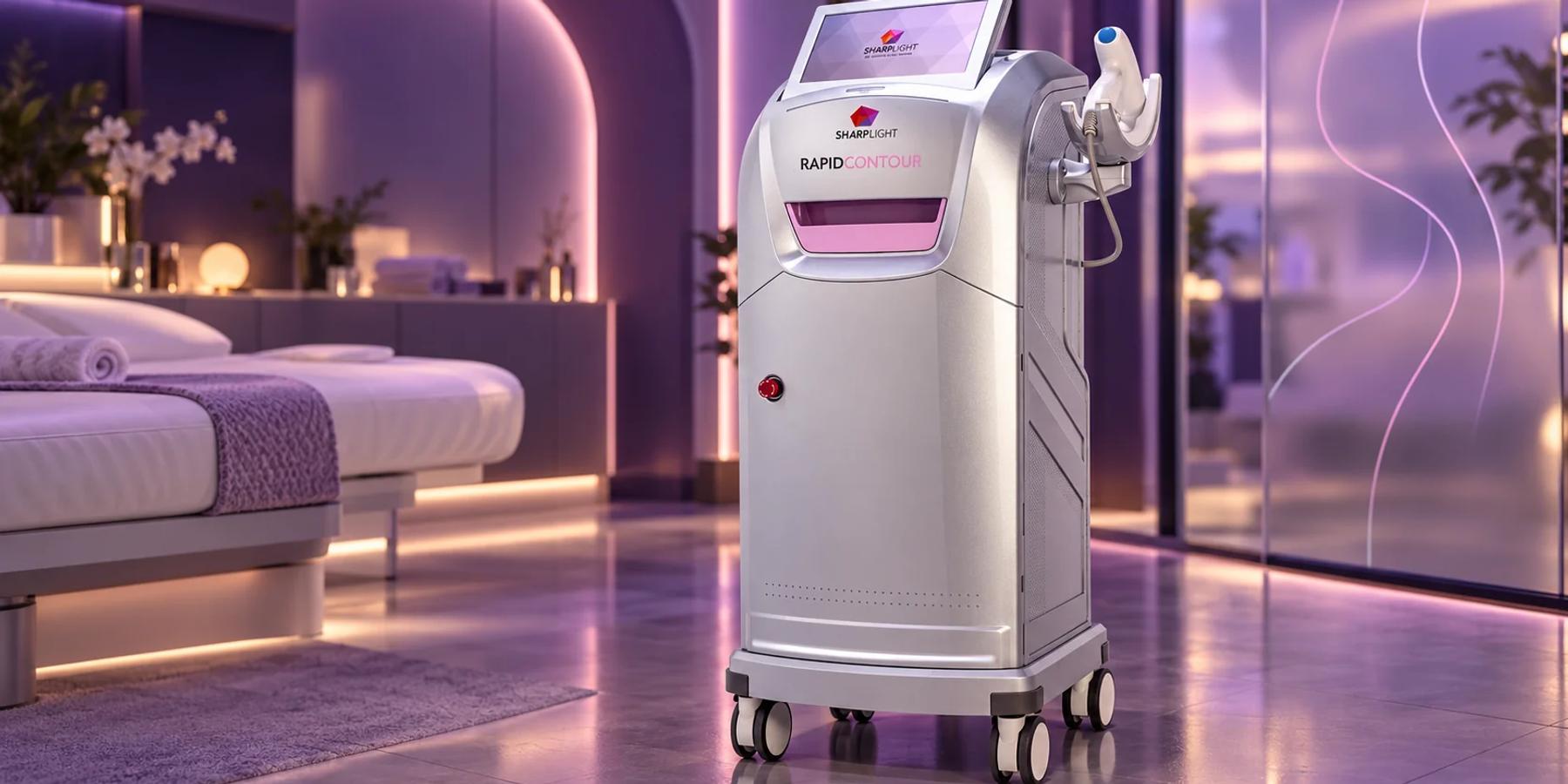
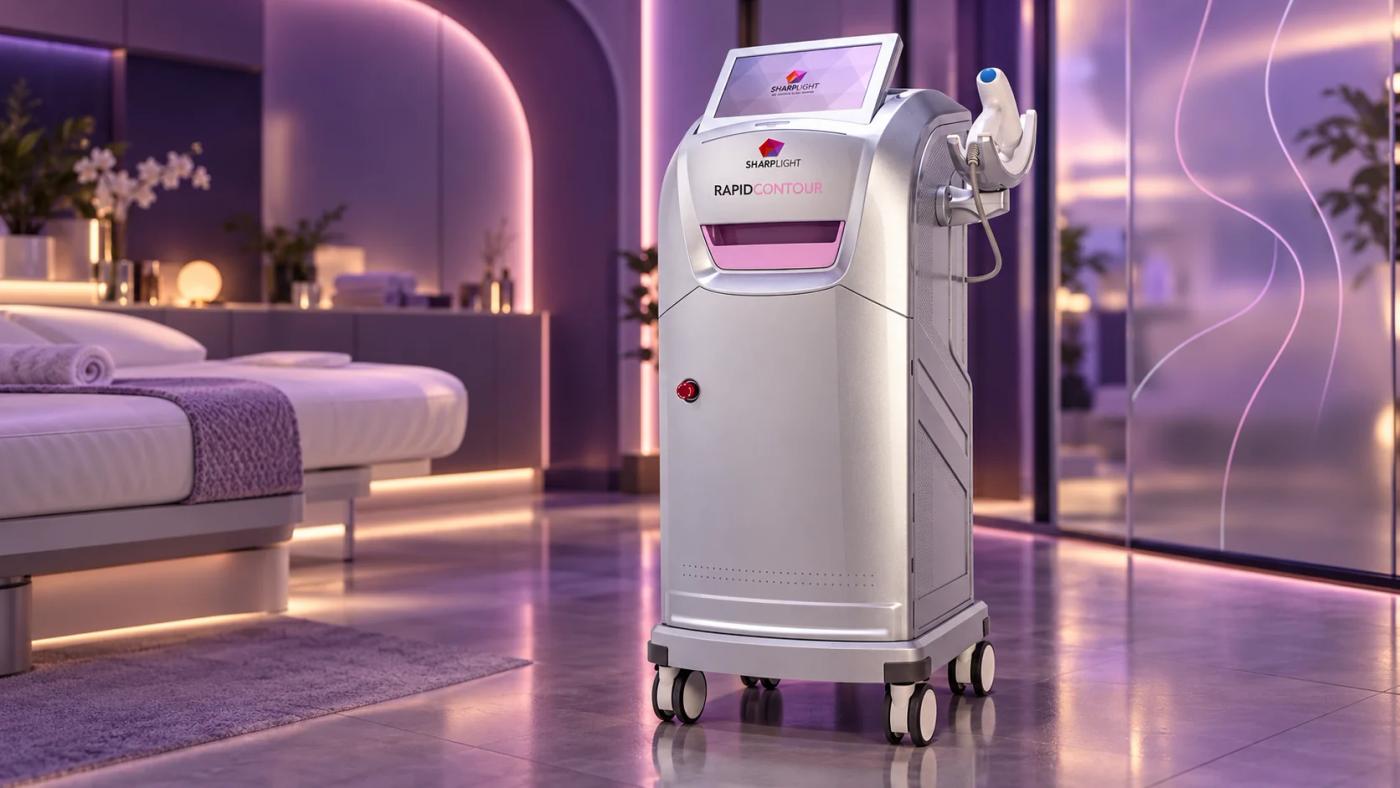
SharpLight's Rapid Contour is a dedicated RF platform with separate face and body handpieces. Its documented applications include temporary reduction in cellulite appearance and temporary circumferential reduction. It should not be described as a low-level light device or a guarantee of permanent fat reduction.
Our RF body-contouring explainer covers that technology in more detail. For clinic owners comparing equipment, the professional body-contouring machine buyer's guide focuses on selecting a system and assessing ownership considerations.
Useful patient records include the initial concern, agreed goals, treatment details and consistent follow-up observations. Documentation helps the provider explain progress without relying only on impressions or promotional photographs.
What should you ask before starting treatment?
A consultation should cover limitations and risks as clearly as benefits. Ask who will perform the treatment, how suitability is assessed and what alternatives may better address your concern.
Share relevant medical history, medications, previous procedures and implanted devices with the provider. Ask about device-specific contraindications, protective measures and possible adverse effects. The FDA identifies risks that vary by modality, including discomfort, burns and other complications; professional delivery does not eliminate them.
Confirm the proposed course, total price, review points and potential maintenance before committing. SharpLight's body-contouring treatment overview provides further service context. The best starting point is a clearly defined goal and an explanation of what the particular treatment can realistically offer.
FAQ
Body Contouring Benefits FAQ
What are the main benefits of body contouring?
Potential benefits include localized contour improvement, firmer-looking skin, less disruption than surgical recovery, changes assessed over time and outpatient appointments. The benefits depend on the exact device, treatment goal and individual response; no treatment delivers every benefit for everyone.
Does body contouring really work?
Some non-invasive devices can improve selected aspects of contour or skin appearance. Results vary and may be temporary. Ask the provider what the proposed device is intended to treat, how progress will be measured and what improvement is realistic for your concern. Body contouring is not a weight-loss treatment.
How long do body contouring results last?
Duration varies by technology, outcome and individual circumstances. Some effects are temporary, and maintenance may be needed. Ask about durability for the specific treatment rather than assuming all body-contouring results are either permanent or short-lived.
Is light therapy body contouring safe?
No treatment is risk-free. Low-level light and thermal light-based procedures differ, with different suitability considerations and possible adverse effects. A qualified provider should review your history, explain device-specific risks and provide appropriate protective measures and aftercare.
How many sessions before I see results?
There is no universal session count or results timetable. The provider should explain the course for the selected device and treatment area, when progress will be reviewed and whether maintenance may be needed. Results are not guaranteed.
Grow with SharpLight
Ready to bring advanced aesthetic technology to your clinic?
Talk with our team about the right platform, training, financing, and ongoing support for your business.
Book a Professional Demo