Light-Based Body Contouring: How It Works and What to Expect
Light-based body contouring is a non-thermal option for gradual, modest circumference change. Learn how it works, what the evidence supports, and how it compares with RF, cryolipolysis, and thermal laser or infrared systems.
TL;DR — Quick answer
Light-based body contouring uses low-level LED or laser energy without deliberately heating or freezing tissue. Some devices may produce modest, temporary circumference changes, but evidence and protocols vary, so clinics should set conservative expectations and evaluate the exact device—not the category name alone.
- Low-level light therapy is non-thermal and is distinct from RF, cryolipolysis, and thermal laser or infrared systems.
- Published evidence is limited and device-specific; reported outcomes are usually circumference changes rather than confirmed fat-volume loss.
- It is best positioned for mild, localized goals—not weight loss or dramatic fat reduction.
- Suitability, precautions, and treatment schedules must follow the specific device’s approved instructions and a qualified assessment.
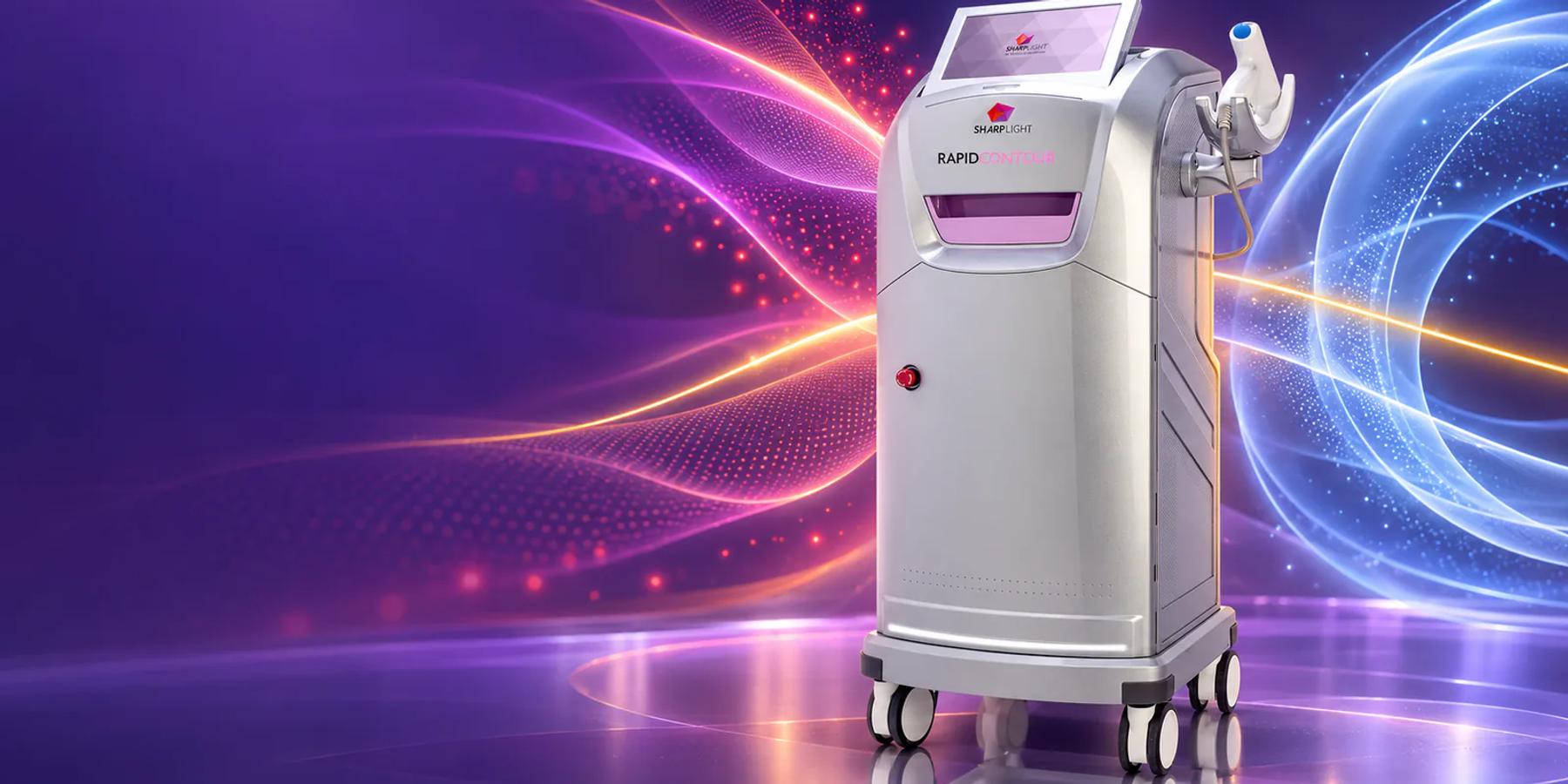
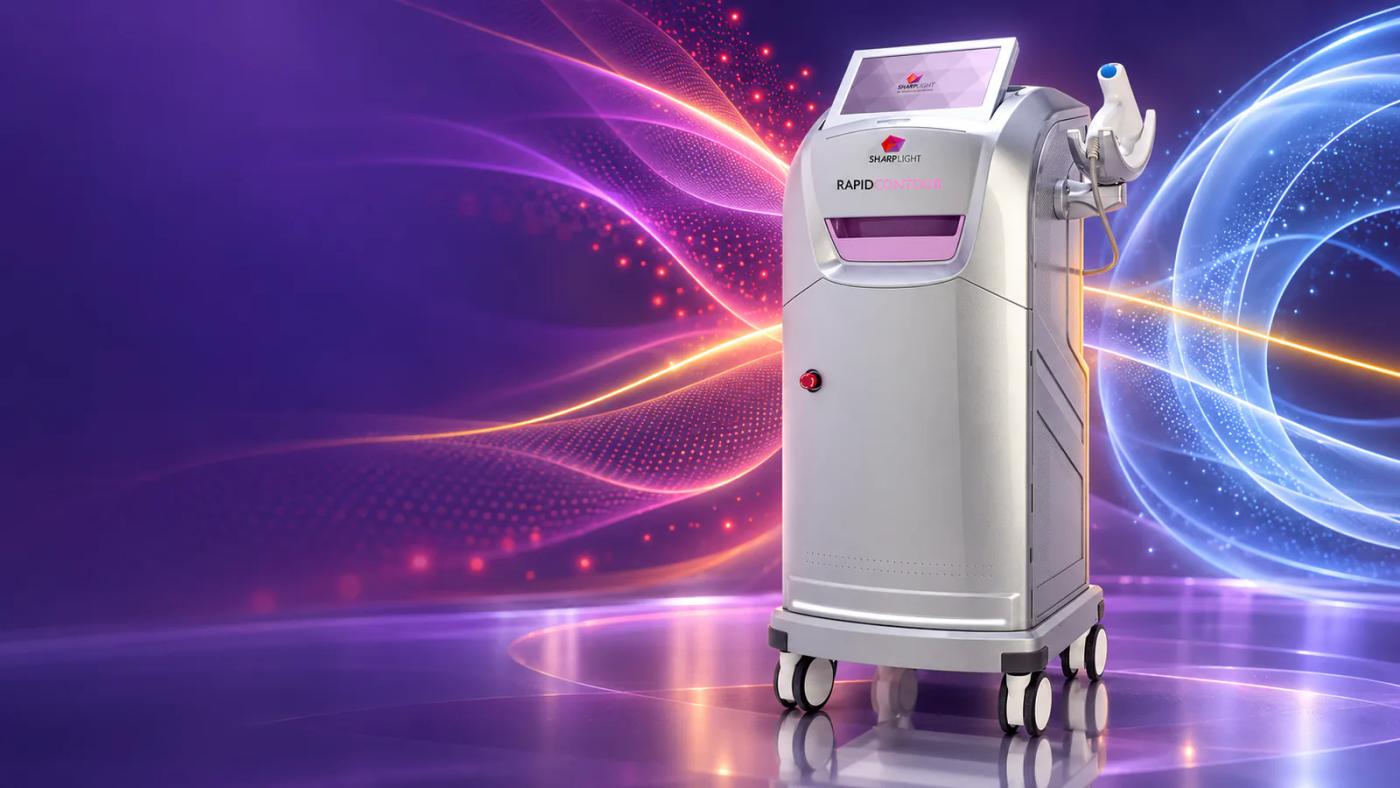
- SharpLight’s current body-contouring systems use RF and infrared energy, not low-level light therapy.
Light-based body contouring uses low-level visible light—delivered by LED panels or low-level laser devices—to support gradual changes in a treated area without deliberately heating or freezing tissue. Evidence suggests that some devices may temporarily reduce circumference, but outcomes are device- and protocol-specific and should not be presented as weight loss or guaranteed fat-volume reduction.
What is light-based body contouring?
Light-based body contouring is a professionally administered, non-invasive treatment that positions low-intensity light over areas such as the abdomen, flanks, or thighs. In this category, “low-level” means the device is designed not to heat the skin or underlying fat.
It is different from consumer LED masks and handheld wands. It is also different from thermal laser and infrared systems that act through heat. Low-level light sits within the broader non-invasive body-contouring landscape alongside radiofrequency (RF), cryolipolysis, and thermal laser or infrared approaches.
Important SharpLight distinction: this article explains non-thermal low-level light therapy as a treatment category. SharpLight’s current body-contouring approach uses RF and infrared energy rather than low-level LED or laser photobiomodulation.
How does low-level light therapy work?
Photobiomodulation in plain language
Photobiomodulation describes biological responses triggered when cells absorb certain wavelengths of light. The term does not mean that every light-based device produces the same effect. Wavelength, output, exposure time, treatment schedule, and the device’s cleared or licensed indications all matter.
The U.S. Food and Drug Administration’s overview of non-invasive body contouring describes low-level light therapy as non-thermal photobiomodulation and notes that it may temporarily reduce the circumference of a treated area.
What might happen in fat tissue?
One proposed mechanism is that low-level light temporarily changes fat-cell membranes, allowing stored lipid to be released and processed through normal metabolic pathways. That mechanism is still being studied. Published trials often report circumference measurements rather than direct confirmation of fat-volume loss, so the distinction matters when setting expectations.
A 2025 systematic review found only a small number of randomized trials and noted differences in treatment protocols and follow-up. The evidence is promising for circumference reduction, but it is not strong enough to treat all devices or protocols as interchangeable.
What does a treatment session involve?
The device is positioned over or near the treatment area for the time specified by its protocol. Session length, frequency, and total number of visits should come from the device’s approved instructions and the practitioner’s assessment—not from a generic promise applied across the category.
Because low-level light is non-thermal and non-invasive, many protocols do not plan for a recovery period. Individual experience still varies, and clinics should explain the device-specific process, precautions, and expected response before treatment.
What results should patients realistically expect?
The most defensible expectation is gradual, modest change rather than dramatic fat reduction. Results, where they occur, depend on the specific device, treatment schedule, patient selection, measurement method, and follow-through. No outcome can be guaranteed.
For clinics, three practices make the conversation clearer:
- Measure consistently. Use circumference measurements and standardized photos at baseline and at planned intervals under comparable conditions.
- Position the treatment correctly. Low-level light therapy is not a weight-loss treatment. It is better suited to mild, localized contouring goals than major volume change.
- Discuss the full context. Nutrition, activity, health status, and maintenance habits can affect how a contouring result looks over time.
Who needs additional screening?
Contraindications and precautions vary by device and are defined in its approved instructions for use. Screening should cover medical history, medications, photosensitivity, pregnancy status, implanted devices, and the condition of the skin in the proposed treatment area, following the manufacturer’s instructions and local professional standards.
When a concern appears medical rather than cosmetic, or when a patient falls outside the device’s approved criteria, the appropriate step is to defer treatment and refer them to a qualified medical provider.
Light vs. RF vs. cryolipolysis vs. thermal laser or infrared
The clearest way to compare body-contouring technologies is by mechanism. Mechanism affects the treatment goal, patient experience, workflow, and evidence that a clinic should review.
| Technology class | General mechanism | Common treatment goal | Key clinic consideration |
|---|---|---|---|
| Low-level light (LED or low-level laser) | Non-thermal photobiomodulation | Gradual, mild circumference change | Evidence, protocols, and indications are device-specific |
| Radiofrequency (RF) | Controlled heating of tissue | Skin tightening and contouring | Temperature control, treatment areas, and protocols vary |
| Cryolipolysis | Controlled cooling of targeted fat | Localized fat-volume reduction | Applicator fit and patient selection matter |
| Thermal laser or infrared | Targeted energy that heats tissue | Varies by device and indication | Do not group thermal systems with low-level light therapy |
These are class-level descriptions, not rankings. Some clinics use more than one modality to address different concerns, but combinations should be based on patient assessment, device instructions, and practitioner scope—not on a universal formula.
Who is light-based body contouring best suited for?
For patients, low-level light therapy may be considered when goals are mild and localized and when a non-thermal approach is preferred. It is a poor match for anyone expecting substantial weight loss or a dramatic reduction from a few visits.
For clinics, the useful questions are practical: What does the evidence support for this exact device? What are its approved indications in your market? How many visits does a course require? How will the team document change and communicate limitations? Does the modality complement the treatments the clinic already delivers?
Where does light-based contouring fit in a clinic’s treatment menu?
A light-based system should be evaluated within the clinic’s complete treatment mix, not as an isolated feature list. Compare the indication, evidence, consumables, workflow, training, service, and realistic demand. Our professional body-contouring machine guide provides a broader framework for comparing technology classes and ownership considerations.
SharpLight clinics looking for RF- and infrared-based contouring can explore the SharpLight body-contouring treatment page. A qualified consultation should determine whether any modality fits the patient’s goals, health history, and expectations.
FAQ
Light-Based Body Contouring FAQs
Does light therapy really work for body contouring?
Some randomized studies report modest reductions in circumference, but the evidence base is small and treatment protocols vary. Results are device-specific, may be temporary, and should not be presented as weight loss or guaranteed fat-volume reduction.
How many sessions does light-based body contouring take?
It is generally delivered as a multi-session course. The number and spacing of sessions should follow the specific device’s approved protocol and the practitioner’s assessment rather than a universal treatment count.
Is light-based body contouring painful, and is there downtime?
Low-level light therapy is non-thermal and non-invasive, and many protocols do not plan for a recovery period. Individual experience and precautions vary, so the provider should explain what to expect from the exact device being used.
How does light therapy compare with other body contouring machines?
The main difference is mechanism. Low-level light is non-thermal, RF heats tissue, cryolipolysis cools targeted fat, and thermal laser or infrared systems use heat. Each class has different treatment goals, evidence, protocols, and patient-selection requirements.
Is light-based body contouring a good addition to a clinic’s menu?
It may fit clinics serving patients with mild, localized goals, but the decision should be based on the exact device’s evidence, approved indications, workflow, training, service requirements, and realistic local demand. Return on investment should never be assumed.
Grow with SharpLight
Ready to bring advanced aesthetic technology to your clinic?
Talk with our team about the right platform, training, financing, and ongoing support for your business.
Book a demo