Tattoo Removal Methods Compared: How Laser Works and What to Expect
Compare laser tattoo removal with creams, dermabrasion, excision and cover-ups, including realistic expectations for sessions, risks and clinic equipment.
The short answer
Laser tattoo removal targets pigment with short light pulses, followed by gradual fading. It usually requires multiple appointments and cannot guarantee complete clearance or scar-free skin. Compare methods by your goal, suitability and risks. Clinics should assess documented laser capabilities, operator training and ongoing support before adding the service.
- Laser fading, surgical removal and cover-ups have different goals and limitations.
- Ink colour, skin and treatment history affect the plan.
- Session estimates and intervals need individual assessment.
- Avoid DIY removal creams, acids and salt abrasion.
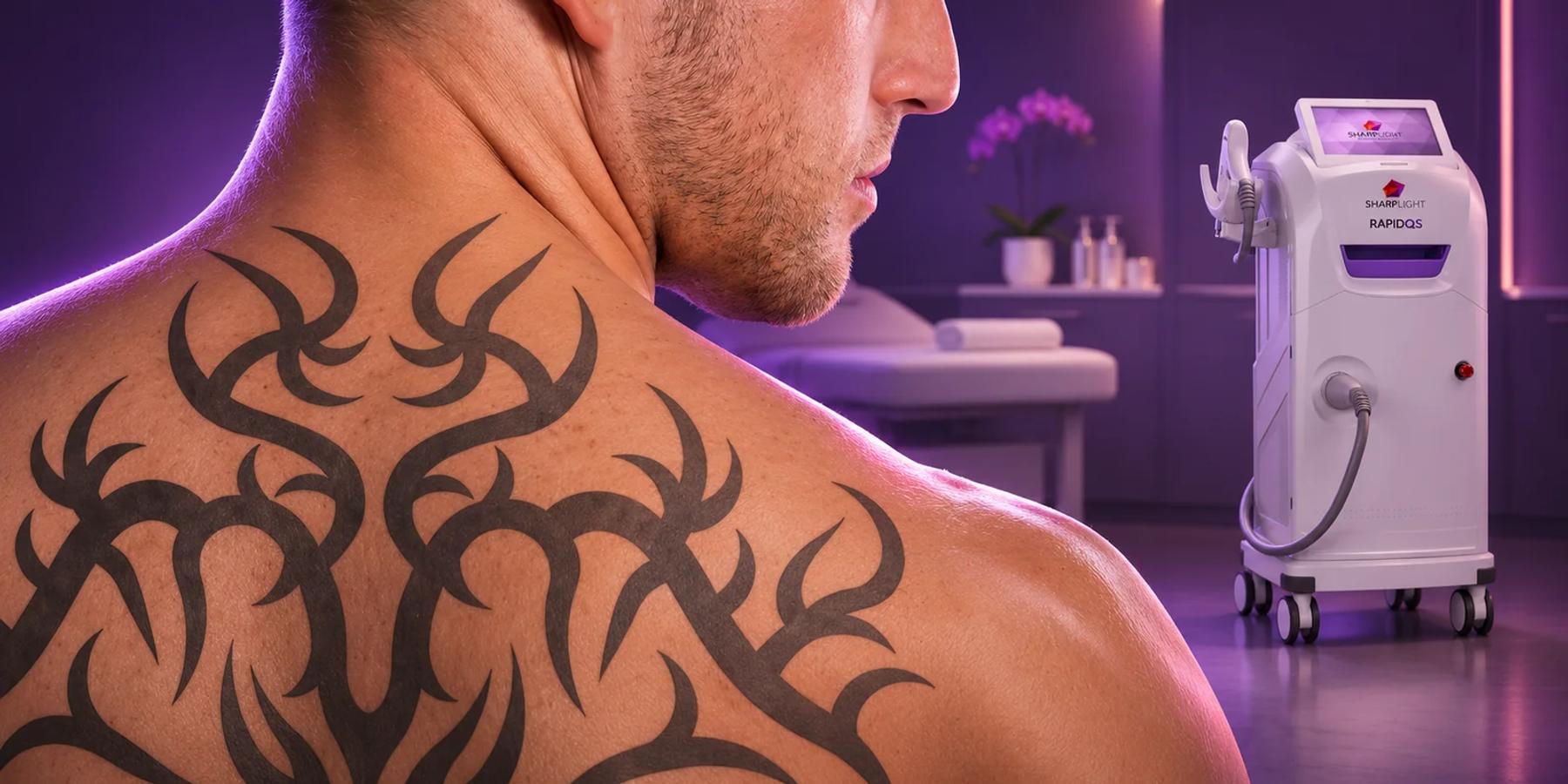
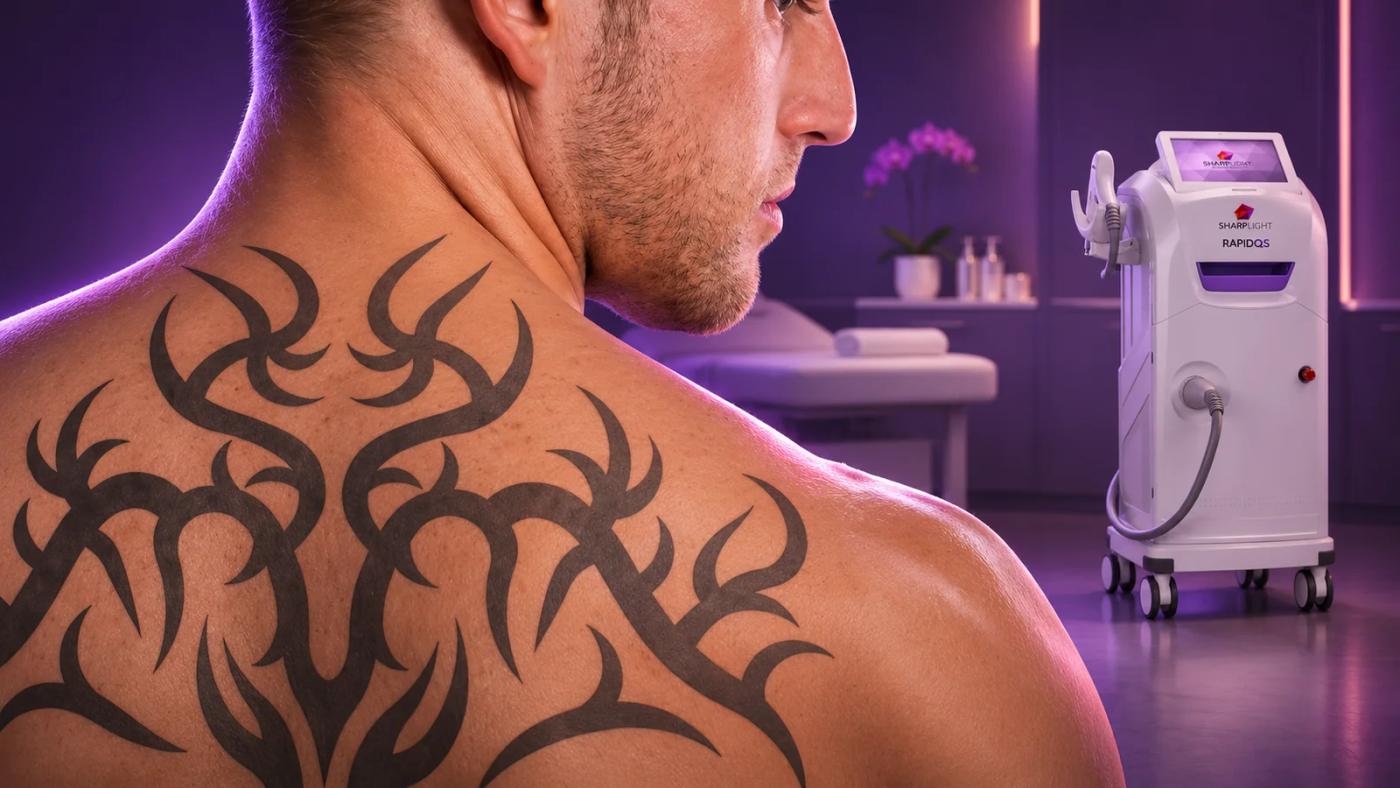
- Rapid QS offers 1064 nm and 532 nm Q-switched Nd:YAG technology.
Laser tattoo removal fades ink using short pulses of light, followed by gradual clearance by the body. It can treat many unwanted tattoos without surgically removing the skin, but usually takes several visits and cannot guarantee complete removal or scar-free results.
Creams, surgical removal and cover-up tattoos solve very different problems. Before choosing a method, decide whether you want the tattoo gone, lighter for a new design, or simply concealed. That goal belongs in the consultation from the start.
How do the main tattoo removal methods compare?
Laser targets tattoo pigment; several alternatives remove or damage tattooed skin instead. The American Academy of Dermatology notes that lasers have largely replaced older removal methods. A consultation still matters: the tattoo, skin and desired outcome determine the options.
| Method | How it works | Main limitations |
|---|---|---|
| Laser | Short pulses target ink for gradual fading | Multiple visits; variable clearance; skin changes and scarring remain possible |
| Removal creams | Topical products marketed to lighten tattoos | No reliable evidence of ink removal; possible irritation, burns or scars |
| Dermabrasion | Abrades tattooed skin | Variable results; scarring and recovery considerations |
| Salabrasion | Abrades skin using salt | Skin injury and scarring risk; not a DIY alternative |
| Surgical excision | Removes tattooed skin and closes the wound | Leaves a surgical scar; suitability depends on size and location |
| Cover-up tattoo | Places a new design over the old tattoo | Conceals rather than removes ink; existing ink limits design choices |
Excision can be an option for a selected small tattoo when someone accepts a surgical scar. A cover-up may suit someone who still wants a tattoo. Neither is equivalent to gradually fading ink with a laser, so “best” depends partly on the outcome you want.
Avoid treating a cheaper advertised method as a comparable substitute. The FDA's tattoo-removal guidance warns that DIY creams and kits lack evidence of safety and effectiveness and may cause burns or scars. Do not attempt salt abrasion or acid removal at home.
How does laser tattoo removal work?
Short laser pulses help fragment pigment so it can clear gradually. Wavelength determines which pigments absorb the light; pulse duration affects how energy reaches that target. The aim is selective treatment, not indiscriminate heating of the whole area.
More than simply heating the ink
Selective photothermolysis describes targeting a light-absorbing structure with an appropriate wavelength and pulse duration. Tattoo removal also involves mechanical and photoacoustic effects: rapidly delivered energy helps break pigment into smaller fragments. Experimental research documents both thermal and photoacoustic interactions around tattoo particles.
Nanosecond Q-switched systems and picosecond systems use different pulse durations. A systematic review of tattoo-removal lasers found that effectiveness varies with the laser and ink colours. “Pico” or “Q-switched” alone does not tell you whether a particular tattoo is suitable.
Why ink colour matters
A multicoloured tattoo may need more than one wavelength. SharpLight's Rapid QS platform provides Q-switched Nd:YAG at 1064 nm and 532 nm; the product page describes darker-pigment targeting at 1064 nm and brighter-pigment applications at 532 nm.
That does not mean every shade will clear. Ask which colours the proposed system can address and which may remain. Matching wavelength to pigment is only part of planning: skin pigment, ink composition and previous treatment also matter.
Why fading takes time
The body clears fragmented pigment between appointments. Scheduling another treatment sooner is not automatically better. The provider should assess both healing and fading before deciding when to treat again.
If your aim is a cover-up, explain that early. Partial lightening and full removal are different endpoints, and the clinic should know what you are trying to achieve before discussing a course.
What affects tattoo removal results?
Two similar-looking tattoos can respond differently. A useful assessment records the tattoo's history and appearance alongside your medical history, medications and any tendency to form raised scars.
- Ink and density: ask which colours may be harder to fade and whether layered ink changes the plan.
- Tattoo age: age belongs in the assessment, but “older is always easier” is not a reliable rule.
- Size and location: discuss the whole area, not just an isolated patch that responded well.
- Skin and healing history: tell the practitioner about previous pigment changes, scarring and reactions.
- Previous removal attempts: explain what was used and how the skin responded, including DIY products.
A large cohort study of Q-switched removal associated factors including smoking, dense ink, certain colours and tattoo location with poorer response. Older tattoos did not universally perform better in that study. These findings support individual assessment, not a calculator that promises your exact result.
Ask to see examples relevant to your skin and tattoo type. Confirm the number of sessions and when the final photograph was taken. Consistent lighting and camera position make comparisons more useful than a dramatic promotional image alone.
How many sessions are needed, and how much does treatment cost?
Plan for a course rather than assuming one visit will finish the job. The FDA's patient information gives six to ten treatments as a possible range. Some tattoos need more, and complete removal may remain out of reach.
Intervals are also individual. In one clinical study of a picosecond system, treatments were spaced eight weeks apart initially and twelve weeks apart later. This illustrates why a fixed six-week schedule should not be presented as universal guidance or a SharpLight protocol.
Request an estimated course cost, not just a per-session price. Ask what the quote includes, how progress is reviewed, whether additional sessions cost extra and what happens if treatment stops producing meaningful improvement.
A package is a payment arrangement, not a guarantee of clearance. Agree on review points before paying and distinguish the goal of reducing visibility from removing every trace of ink.
Does laser tattoo removal hurt, and what aftercare is needed?
Treatment can be uncomfortable and is not risk-free. Discuss pain management with the treating clinician rather than applying a numbing product on your own. Temporary redness, swelling and blistering can occur; scarring, infection and lasting pigment changes are possible.
Get written aftercare instructions and a contact route before leaving. Follow the clinic's advice on cleaning, dressings and sun protection, and avoid picking treated skin. Seek medical assessment for suspected infection, a significant burn or worsening symptoms.
Tell the provider about travel, sun exposure or an upcoming event before booking. Ask when everyday activities can resume for your treatment area. A short appointment does not necessarily mean the skin has finished recovering that day.
What should clinics look for in a tattoo-removal system?
Choose equipment for the tattoos and patients you expect to treat. Start with documented indications and team capabilities, then compare acquisition and operating costs. Our tattoo-removal clinic guide for Canada covers the wider setup decision.
- Wavelengths and pulse characteristics: match documented capabilities to the intended ink colours.
- Training: include skin assessment, protective measures, treatment protocols and complication management.
- Market authorization: request current documentation for the exact model and intended use in your jurisdiction.
- Support: clarify servicing, consumables, maintenance and what happens during equipment downtime.
- Patient communication: prepare consent, aftercare and progress-review processes before advertising the service.
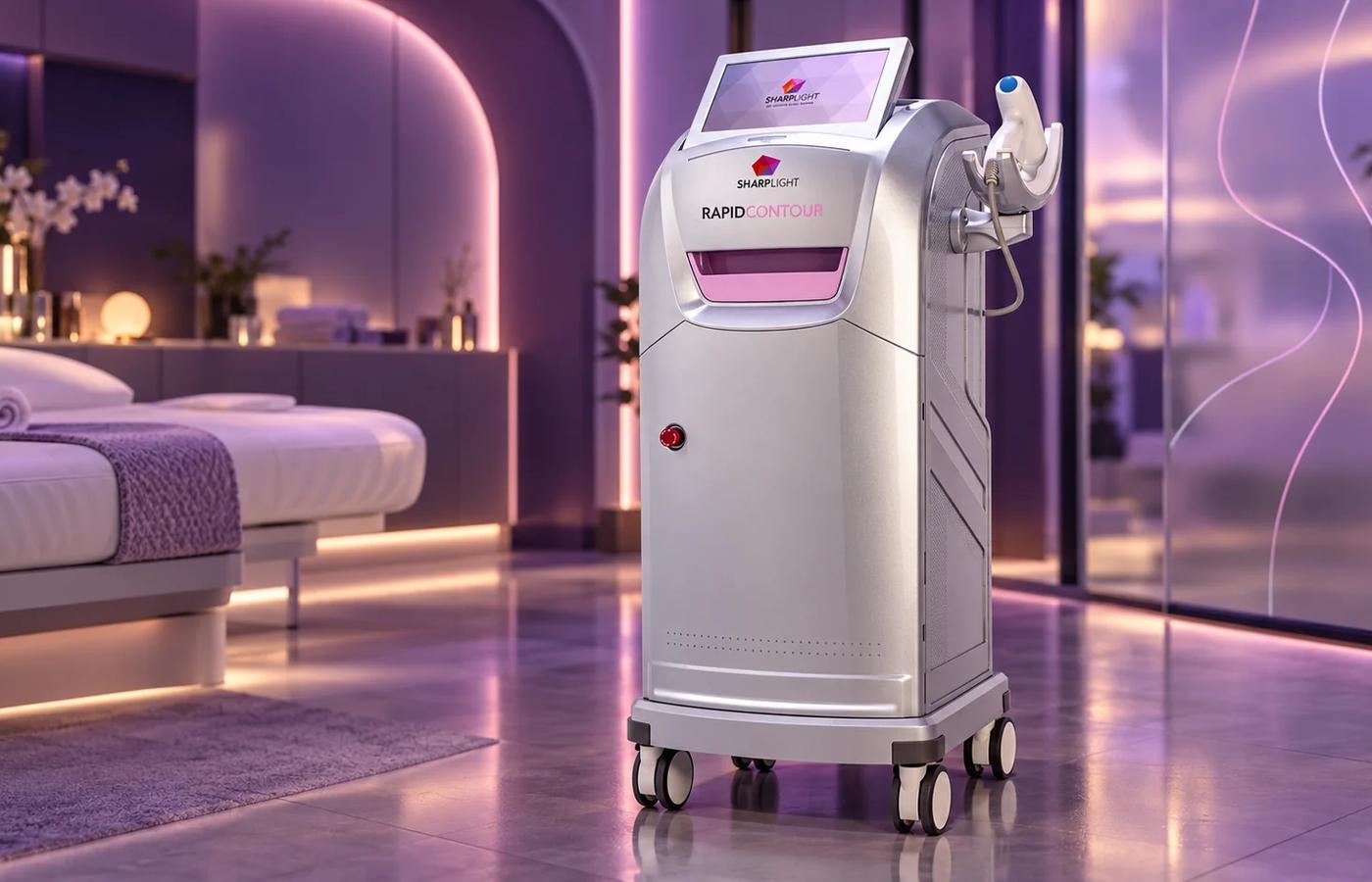
Rapid QS is SharpLight's dedicated tattoo-removal and carbon-facial platform. Review SharpLight's tattoo-removal treatment overview and clinic service considerations alongside the exact product documentation.
Experience offering laser hair removal does not make a hair-removal device suitable for tattoo ink. Queensland Health explicitly warns that IPL is not suitable for tattoo removal. Confirm the technology and indication rather than treating all light-based systems as interchangeable.
FAQ
Tattoo Removal FAQ
Is laser tattoo removal effective?
Laser can fade many tattoos, but the amount of clearance varies with the ink, skin and treatment plan. A consultation should establish whether the goal is partial lightening or removal. Complete clearance cannot be guaranteed.
How many sessions does it take to remove a tattoo?
The FDA gives six to ten treatments as a possible range, but some tattoos need more. Spacing depends on healing, response and the protocol. Ask for an estimate and review points rather than a fixed promise.
Do tattoo removal creams work?
The FDA reports no evidence that DIY tattoo-removal creams and kits are safe and effective for removing tattoos. They can cause skin injury. Discuss removal options with a qualified clinician instead of attempting home removal.
Does laser tattoo removal hurt or leave scars?
Discomfort is possible, and pain-management options should be discussed with the treating clinician. Scarring and pigment changes can occur. Ask about your individual risks, aftercare and when to seek medical attention.
What should a clinic look for in a tattoo-removal laser?
Compare documented indications, wavelengths, pulse characteristics, operator training, local authorization requirements and service support. SharpLight Rapid QS provides Q-switched Nd:YAG at 1064 nm and 532 nm. Suitability still depends on the tattoo, skin and approved treatment protocol.
Grow with SharpLight
Ready to bring advanced aesthetic technology to your clinic?
Talk with our team about the right platform, training, financing, and ongoing support for your business.
Book a Professional Demo