Laser Hair Removal: How It Works and What Clinics Should Know
A practical guide to how professional laser hair removal works, how diode, alexandrite and Nd:YAG technologies differ, and what patients and clinics should expect from treatment.

The short version
Laser hair removal uses light absorbed by pigment in the hair to heat and disrupt follicles, reducing future regrowth over a series of sessions. It can provide meaningful long-term reduction, but it does not guarantee permanent removal of every hair.
- Hair and skin contrast influences how readily the hair can be targeted.
- Diode, alexandrite, and long-pulse Nd:YAG lasers have different characteristics; no single option is best for everyone.
- Hair grows in cycles, so multiple sessions scheduled several weeks apart are typical.
- Clinics should promise realistic hair reduction—not painless or permanent removal.
- Technology choice should reflect patient mix, training, comfort features, workflow, and support.
Laser hair removal uses concentrated light to heat pigment in the hair and disrupt the follicle structures that support regrowth. Because hair grows in cycles, treatment is delivered as a series rather than a single appointment, and the realistic goal is long-term hair reduction—not a guarantee that every hair will disappear forever.
For patients, the important questions are whether the technology suits their skin tone and hair characteristics, what the treatment course will involve, and how the clinic manages comfort and safety. For clinics, the same questions extend to training, treatment speed, platform flexibility, and the client mix they plan to serve.
How does laser hair removal work?
Laser and light-based hair reduction rely on selective photothermolysis. Pigment in the hair absorbs light energy, converts it to heat, and transfers that heat toward the follicle. The aim is to impair future growth while limiting unnecessary heat in the surrounding skin.
The contrast between the hair and the surrounding skin matters. Dark, coarse hair generally provides a stronger pigment target than fine, light, red, grey, or white hair. A trained provider also considers skin tone, recent tanning, treatment area, hair density, medical history, medications, and previous reactions before selecting a device and settings.
Hair follicles do not all grow at the same time. Treatments are spaced so that more hairs can be reached during an active growth phase. This is why a single visit may create a visible change without completing the treatment course.
Diode, alexandrite, and Nd:YAG: how the main laser types compare
There is no universally best laser for every patient or clinic. Published reviews have found meaningful long-term reduction across several laser types, while also noting that results vary and that available studies do not establish one clear winner for every skin tone and treatment area.
| Technology | General characteristics | What clinics should consider |
|---|---|---|
| Diode laser | A widely used hair-reduction technology that can be configured for a range of skin types. | Wavelength, pulse duration, cooling, spot size, training, and patient selection all affect suitability. |
| Alexandrite laser | Strong melanin absorption can make it effective for pigmented hair, particularly when there is clear contrast with lighter skin. | Careful assessment is important because epidermal pigment also absorbs energy. |
| Long-pulse Nd:YAG | Its longer wavelength is absorbed less by epidermal melanin and is commonly considered when treating darker skin tones. | Conservative parameters, cooling, test spots when appropriate, and provider training remain essential. |
Technology labels alone do not determine the outcome. Two systems in the same class may differ in energy delivery, pulse control, cooling, handpiece ergonomics, treatment speed, maintenance requirements, and the education provided to the operator.
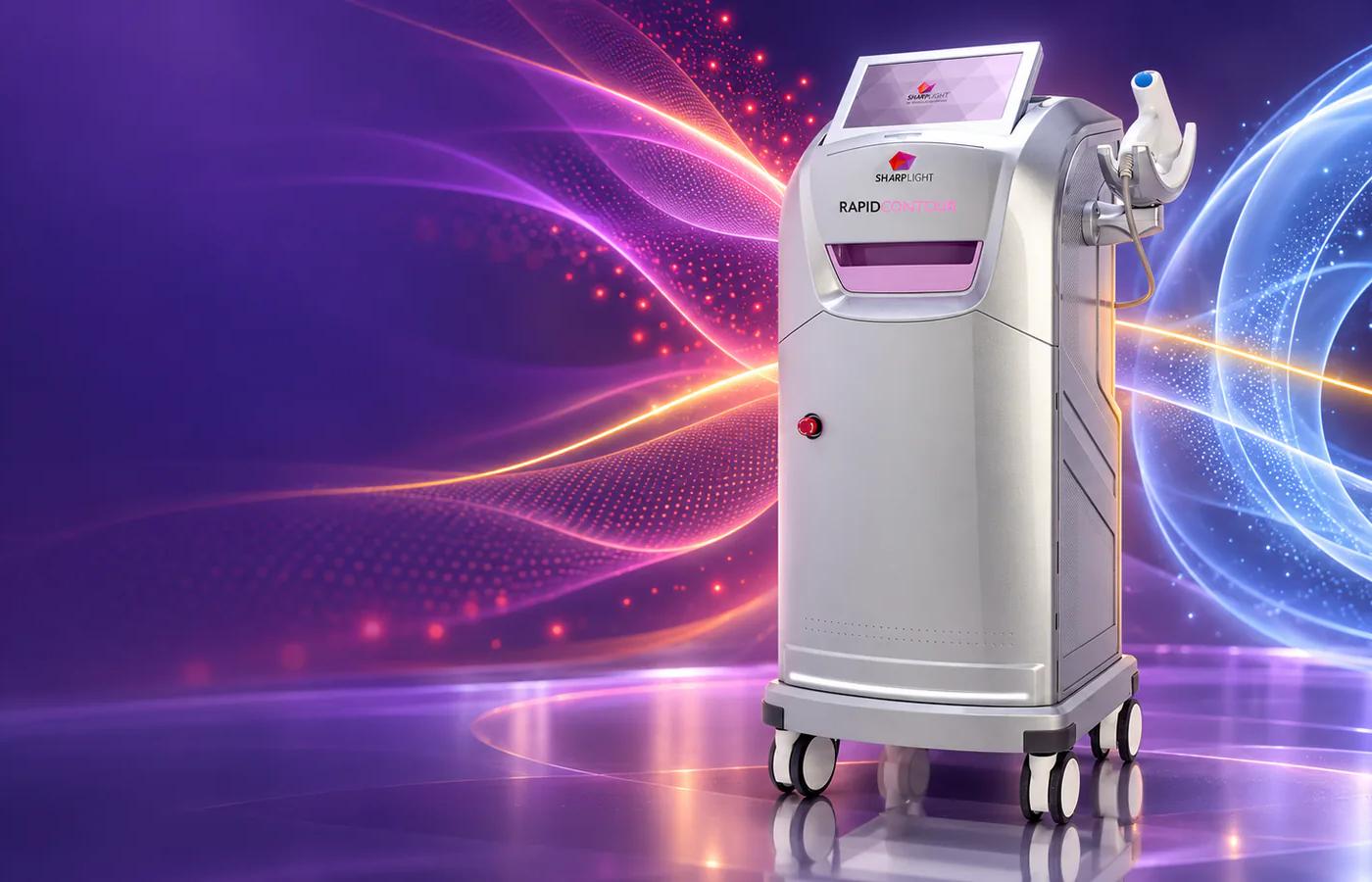
SharpLight hair-removal systems may combine diode, long-pulse Nd:YAG, Dynamic Pulse Control (DPC), and DPC FLOW technologies, depending on the platform. Explore the professional hair-removal treatment page for an overview of the available approaches and compatible systems.
What does a treatment course involve?
Most people need multiple sessions, commonly around four to eight, scheduled several weeks apart. The exact number and timing depend on the body area, hair growth cycle, skin and hair characteristics, technology used, treatment parameters, and individual response. A provider should present the initial plan as an estimate that can be adjusted after seeing how the hair responds.
Before treatment
- The clinic reviews skin tone, hair colour and thickness, treatment history, medications, recent sun exposure, and relevant health information.
- Patients are usually advised to avoid waxing or plucking before treatment because the follicle needs to remain available as a target.
- The area may need to be shaved according to the provider’s instructions, and recent tanning should be disclosed.
- A test spot may be appropriate when the provider wants to assess skin response before treating a larger area.
During treatment
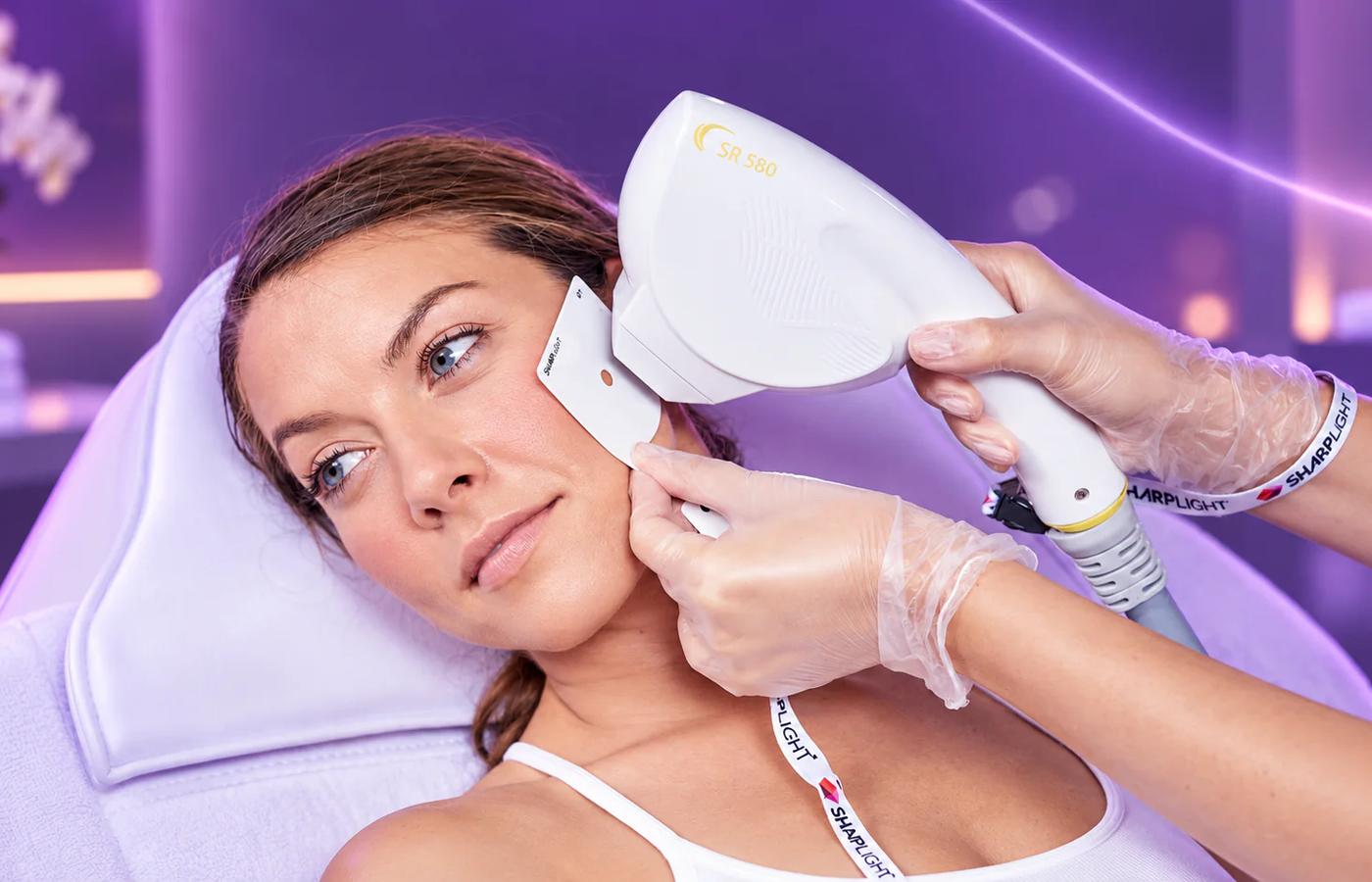
The patient and operator wear suitable eye protection. The handpiece is placed over the treatment area, energy is delivered in pulses or a controlled motion, and a cooling method may be used to protect the skin and improve comfort. Sensation varies by device, treatment area, hair density, settings, and individual tolerance.
After treatment
Temporary redness, warmth, or mild swelling around follicles can occur. The provider should explain aftercare, sun protection, which products or activities to avoid, and when to contact the clinic. Patients should follow the clinic’s instructions rather than relying on a generic online routine.
What results should patients realistically expect?
Laser hair removal is better described as long-term hair reduction than guaranteed permanent removal. Treated hair may shed over the following days or weeks, and regrowth may become slower, finer, or less dense. Some hairs can return over time, and occasional maintenance sessions may be useful for certain patients.
Hormonal changes, medical conditions, medications, age, and the treatment area can all influence regrowth. Results also depend on matching the technology and settings to the patient and completing an appropriate series.
What clinics should—and should not—promise
- Explain the expected range of improvement without guaranteeing a percentage for every patient.
- Use “hair reduction” language rather than promising permanent removal.
- Avoid calling the treatment painless; describe the comfort features and acknowledge that sensation varies.
- Set expectations about multiple sessions, possible maintenance, temporary skin responses, and the limitations of treating low-pigment hair.
Who may need a different plan?
Fine or lightly pigmented hair may respond less predictably because there is less melanin to absorb the energy. Patients with grey, white, very light blond, or some red hair should receive especially clear expectations during consultation.
Recent tanning, active skin irritation, certain medications, a history of unusual pigment changes, or other medical considerations may require a delay, modified settings, or referral. Suitability should always be determined by a qualified provider working within local regulations and the device manufacturer’s guidance.
How do cooling and technique affect comfort?
Cooling is not merely a comfort add-on. Contact cooling, chilled tips, cold air, gel, or other integrated methods can help manage heat at the skin surface. The appropriate method depends on the system and protocol.
Operator technique matters as well. Consistent contact, controlled overlap, correct motion, suitable pulse settings, and ongoing observation of the skin response all contribute to a more predictable experience. Clinics should train on the specific platform they use rather than treating all hair-removal devices as interchangeable.
What should clinics evaluate before adding hair removal?
A device purchase should be evaluated as an operating system for the clinic, not as a specification sheet alone. The strongest fit depends on the patients the clinic serves, the services it already offers, staff capacity, treatment-room workflow, and the support available after installation.
- Patient fit: Does the platform support the range of skin tones and hair characteristics the clinic expects to treat?
- Clinical flexibility: Can the operator adjust relevant parameters and choose an appropriate technology for different cases?
- Treatment workflow: Consider handpiece comfort, spot size, treatment speed, cooling, room requirements, and staff training.
- Education and support: Confirm onboarding, protocol guidance, maintenance, service response, and continuing education.
- Business fit: Model realistic utilization, pricing, consumables, staffing, and demand instead of relying on headline revenue claims.
Compare SharpLight’s professional aesthetic systems, then use the ROI calculator to test assumptions using your own treatment volume and pricing.
What should patients ask at a consultation?
- Which technology will be used, and why is it appropriate for my skin tone and hair?
- How many sessions do you expect, and how will you adjust the plan if my response differs?
- What temporary reactions are common, and what aftercare do you recommend?
- Who performs the treatment, and what training do they have on this specific system?
- What results are realistic for this body area and hair type?
A good consultation should make the plan easier to understand, not pressure the patient into a package before suitability and expectations have been discussed.
The bottom line
Professional laser hair removal can produce meaningful long-term reduction when the technology, patient, settings, and treatment schedule are properly matched. The best outcomes start with careful assessment, conservative claims, trained operators, and a plan that can adapt to the patient’s response.
This article is for general educational purposes and does not replace medical advice, a professional consultation, device-specific training, or local regulatory requirements.
FAQ
Frequently asked questions
Is laser hair removal permanent?
It is more accurately described as long-term hair reduction. Many patients see substantially less regrowth, but some hair can return over time and maintenance may be useful. Results vary by hair, skin, treatment area, technology, settings, and individual factors.
How many laser hair removal sessions are usually needed?
Many people need several treatments, commonly around four to eight, scheduled several weeks apart. The exact number and spacing depend on the treatment area, growth cycle, hair and skin characteristics, technology, and response.
Can laser hair removal be used on darker skin tones?
It can be appropriate when the provider selects suitable technology and conservative settings for the individual. Long-pulse Nd:YAG is commonly considered for darker skin tones, but assessment, cooling, technique, and operator training remain essential.
Does laser hair removal hurt?
Sensation varies with the person, body area, hair density, device, cooling, and settings. Patients often describe brief heat or snapping sensations. Cooling can help manage skin temperature and comfort, but clinics should not promise a painless experience.
Which laser hair removal machine is best for a clinic?
There is no universal best machine. Clinics should compare technology, supported patient profiles, speed, cooling, handpiece ergonomics, training, service, ongoing costs, and how the platform fits their treatment menu and demand.
Professional hair removal systems
See which SharpLight platform fits your hair removal menu
Compare SharpLight systems by technology, handpiece, and treatment capability, or book a live demonstration with the team.
Compare SharpLight systems